Worksy for Multi Location
One Workforce. Many Locations. Zero HR Headaches.


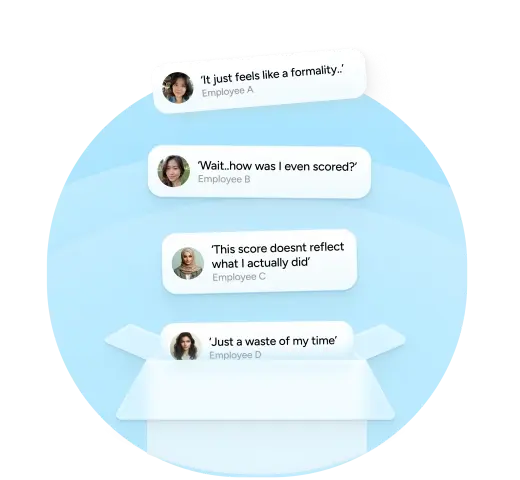
Challenges in Multi Location Business HR
Fragmented HR data. Manual reporting. No visibility.
Juggling spreadsheets, chasing attendance from branch managers, and syncing leave policies over WhatsApp — it’s a daily chaos that creates friction between HR and teams. And when it’s time to audit or make strategic decisions, the data simply isn’t there.
SME Tools is Not Enough
Without a unified system, you’re not scaling — you’re firefighting.
Disjointed operations drain HR bandwidth, slow down payroll, and leave employees feeling disconnected. Managers can’t make informed decisions. HQ doesn’t have accurate data. And regional teams end up feeling like an afterthought.
You’ve outgrown the SME tools — but enterprise HRMS platforms are either:
- Too rigid for your internal SOPs
- Painfully complex to implement
- Designed for Western org structures — not Malaysian realities
Your HR team isn’t just overworked — it’s invisible.
Worksy gives Multi Location HR teams what they’ve been asking for

Multi-Level Approvals
Entity-Specific Configurations
Custom Access Control
Fully Audit-Ready
Centralised Reporting
Using Worksy Unlocks Outcomes
Loved by HR Teams Across Malaysia








Frequently Asked Questions
- Can Worksy handle multiple entities or subsidiaries under one group?
Yes. Worksy supports multi-entity setups (parent company + subsidiaries) under one group structure, so you can:
-
Keep separate company settings (policies, payroll rules, leave types, public holidays)
-
Run consolidated reporting at group level (headcount, attendance trends, cost summaries)
-
Control who sees what across entities (HQ can view all, subsidiaries only their own)
If you’re running shared services (HR/Payroll at HQ), this is basically the whole point.
-
- What kind of approval workflows can we configure?
Worksy supports configurable approval flows for common HR actions (leave, claims, overtime, attendance edits, etc.). Typical options include:
-
Single-step (Employee → Manager)
-
Multi-step (Employee → Manager → HR → Finance)
-
Conditional routing (e.g., amounts over RM X go to Finance; special leave goes to HR)
-
Delegation / backup approvers (when approver is on leave)
-
Role-based approvals (not tied to one named person, so workflows don’t break when staff resign)
If your approvals currently live in WhatsApp and prayer, this will feel like civilisation.
-
- How does Worksy ensure compliance with Malaysian regulations?
Worksy is designed with Malaysian HR realities in mind, including:
-
Policy-based enforcement (leave, overtime, attendance rules, probation, entitlement rules as configured by your company)
-
Audit trails for approvals and changes (who changed what, when, and why)
-
Data controls (access restriction + retention/export support for HR documentation)
Important (and honest): software can support compliance, but it can’t magically make bad HR policy legal. You still set your rules; Worksy helps you enforce them consistently and prove it happened.
-
- Can we restrict access by department, region, or role?
Yes. Worksy supports granular access controls so you can segment by:
-
Department (e.g., Sales HRBP only sees Sales)
-
Region / branch / location (useful for multi-state ops)
-
Role (Employee, Manager, HR, Payroll, Finance, Admin)
-
Entity/subsidiary (if you’re running a group structure)
Result: managers don’t “accidentally” browse payroll data like it’s Instagram.
-
- We already have some systems in place. Can Worksy integrate?
Usually yes — depending on what you have and how modern it is.
Common integration paths:-
Data import/export via CSV/Excel for initial sync and ongoing updates
-
API-based integration (if your existing system supports APIs)
-
Typical targets: accounting/payroll providers, biometric/attendance devices, ERP, or custom internal systems
If the current system is “a legacy database + someone’s cousin’s Access file,” we can still work with it — just expect more elbow grease.
-
- Do you offer migration service?
Yes. Migration can include:
-
Importing employee profiles, org structure, job history
-
Carrying over leave balances, entitlements, and policy setup
-
Bringing in historical attendance/leave records (where feasible)
-
Validation checks to avoid garbage-in-garbage-out
Most migrations fail because the old data is messy, not because the new system is. We’ll tell you upfront what’s clean, what’s risky, and what needs manual decisions.
-